Latest Measles News
Loading news...
About Measles
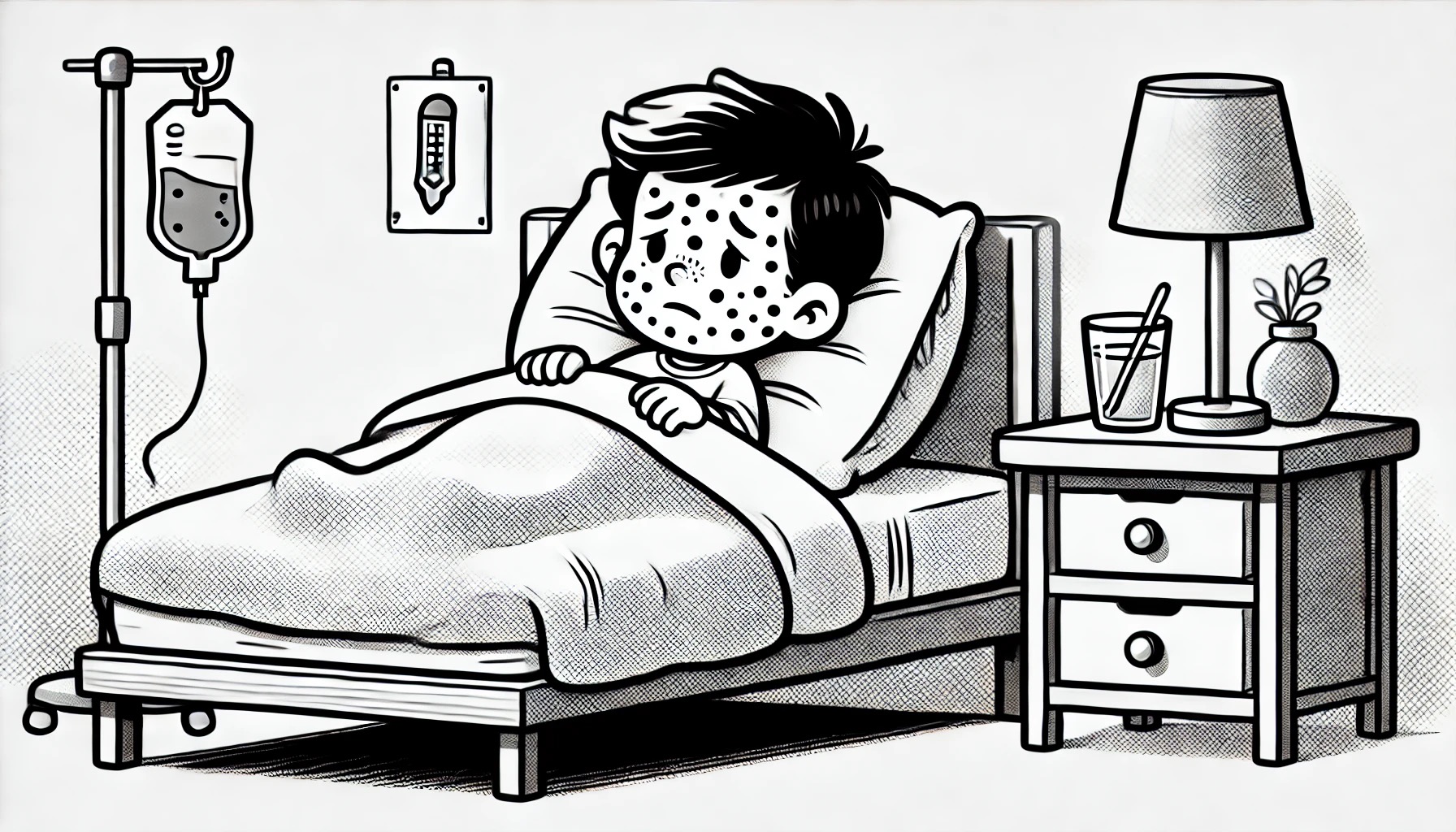
Measles is a highly contagious viral disease caused by the measles virus, a member of the paramyxovirus family. It spreads through respiratory droplets and direct contact, with an incubation period of about 10-12 days before symptoms appear. The disease is characterized by high fever, cough, runny nose, conjunctivitis, and a distinct rash that starts at the hairline and spreads downward.
Measles can lead to severe complications, particularly in young children, pregnant women, and immunocompromised individuals. Common complications include pneumonia, encephalitis (brain inflammation), and severe diarrhea. In rare cases, measles can cause subacute sclerosing panencephalitis (SSPE), a fatal degenerative brain disorder that develops years after infection.
Before the introduction of the measles vaccine in 1963, nearly every child contracted measles by age 15, and outbreaks were common. Since widespread vaccination efforts, measles cases have significantly declined, though outbreaks still occur in areas with low vaccination coverage. The MMR vaccine (measles, mumps, rubella) is the most effective way to prevent measles, offering lifelong immunity in most individuals.
For more detailed information, visit the following resources: